
 Search
 US English
 UK English
 France / Français
 España / Español
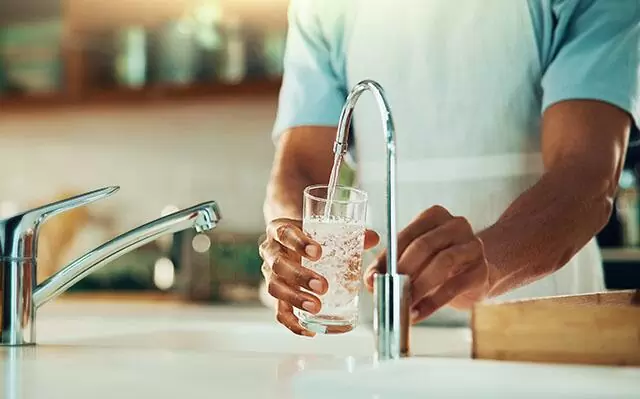
Person, tap and hands with glass of water in kitchen for fresh drink, liquid and hydration. Sink closeup, thirsty or pouring pure beverage in container for nutrition, drinking or filtration in home.
You may have heard more recently about PFAS – often called “forever chemicals.” These substances are extremely persistent, meaning they don’t easily break down in the environment, and they’ve been detected in drinking water systems across the country. Because of their potential links to health concerns, PFAS are becoming an important issue for many households.
The encouraging part is that significant funding is now available to help address PFAS contamination. The more complicated part is that access to that funding depends heavily on where you live.
Here’s what that means and how you can take informed steps to protect your home.
There Is Federal Funding – And It’s Significant
The federal government has made major investments in water quality through programs like the Bipartisan Infrastructure Law. These funds are being used to:
- Improve and modernize public water systems
- Expand PFAS testing and monitoring
- Support advanced treatment technologies
- Fund environmental cleanup efforts
But most of this funding isn’t sent directly to homeowners. Instead, it flows through state agencies and local utilities, which means availability can vary quite a bit from place to place.
Why Your Location Matters
Even though the funding comes from federal sources, states are responsible for deciding how it’s used. That leads to some important differences depending on your location.
1. Some States Are Further Along
Certain states have moved quickly to address PFAS contamination and already have programs in place. These states may offer:
- Rebates or financial assistance for treatment systems
- Free or low-cost water testing
- Clear guidance on available options
Other states are still developing their programs, which can mean fewer immediate opportunities for residents.
2. Public Water Systems Often Come First
Many funding programs prioritize upgrades to city and municipal water systems. As a result:
- If you get your water from a public utility, improvements may happen automatically over time
- If you rely on a private well, you may need to take more independent steps
While support for private wells is improving, it can still be less consistent.
3. Availability Can Vary Locally
Even within the same state, access isn’t always the same from one community to another. Some programs require:
- Applications or enrollment
- Documented evidence of PFAS levels
- Coordination with your local water provider
At the same time, some programs go underused simply because people don’t know they exist.
What You Can Do Right Now
With so many variables, staying informed and taking initiative can make a real difference.
Start with Your Water Source
Knowing whether your water comes from a municipal system or a private well helps you understand both your level of responsibility and your available options.
Look into Local Resources
Check your state’s environmental or health department website, along with your local water utility. Helpful information to look for includes:
- Water quality reports
- PFAS testing programs
- Financial assistance or rebate opportunities
Reach Out and Ask
Don’t hesitate to contact:
- Your water provider
- Local health officials
- Water treatment specialists
Programs aren’t always widely advertised, so asking directly can uncover options you might otherwise miss.
Take Action with a Certified Treatment System
If funding isn’t currently available—or you don’t want to wait, a certified water treatment system can help reduce PFAS exposure right away.
When choosing a system, look for one that:
- Has been tested for PFAS reduction
- Fits your home’s water conditions
- Is installed by qualified professionals
HomeShield™ Whole Home Filtration System
This system treats water as it enters your home, helping reduce PFAS and other contaminants at every tap—whether you’re drinking, cooking, or showering. Learn more about the HomeShield Whole House Filter here.
ClearHome™ Whole House Cartridge Filter Housing
A more compact and budget-friendly option that still provides whole-home filtration, making it a strong starting point for improving water quality. Learn more about ClearHome here.
Installing a system now helps protect your household while keeping you ready to take advantage of funding when it becomes available.
The Big Picture
There’s real progress being made in addressing PFAS, supported by strong federal investment. But it’s important to keep in mind:
- Funding is available
- States control how it’s distributed
- Local access can differ significantly
Because of this, awareness and action both play a key role.
Moving Forward
While funding programs continue to grow and evolve, your water quality is something you can take steps to improve today. By staying informed and exploring your options—both financial and practical, you can make confident decisions for your home and your health.
Cleaner, safer water isn’t just something to plan for in the future, it’s something you can start working toward right now.